
“People remember stories. Your CV is the story of your career,” says Satu Myller.
Myller and Maisa Holm have twenty years of experience as career coaches. CVs have become more story-based, and they must be tailored.
Holm says that narration used to be more list-like in a CV. Now, you can see it as the profile text in the beginning of the CV, explaining who you are, what you can do, what you are interested in and what your goals are.
“Things impacting a positive recruitment decision are motivation, followed by competence and the work persona. Highlight your motivation,” Holm says.
Myller says that narration can also be seen in the way of writing. Before, CVs were written in passive. Now, it is common to use “I” and active verbs: I planned, I drafted, I launched.
Holm and Myller recommend drafting a “Master CV” that covers your entire career and including detailed information about your career. You can then use it to pick the suitable points for your “daily CV”.
“A CV must always be tailored; you cannot use the same CV for all applications,” says Holm.
It's recommended to update the Master CV regularly. Note down tasks, responsibilities, successes and what you have learnt.
“We remember the big things, but we might forget numbers – figures that can show the added value you created for your employer. Writing them down will not only look good on your CV; it will also help you in performance reviews and salary negotiations,” says Holm.
There is a stubborn myth that a CV should be one page long. It can be just one page but, particularly if you have more experience, it can even go on for three pages. Just remember to keep the contents relevant. Typically, the last ten years of work history are relevant.
Myller says you can use the STAR model to explain your work history. Connect your occupational activities to a certain context or situation, which makes your description more informative. Explain the Situation, i.e., organisational situation when you started in the position. Describe the Task, i.e., what your key responsibilities and goals were. Explain what you did to achieve your set goals, i.e., Activity. End with Results, i.e., describe the results and quantitative benefits created by your input.
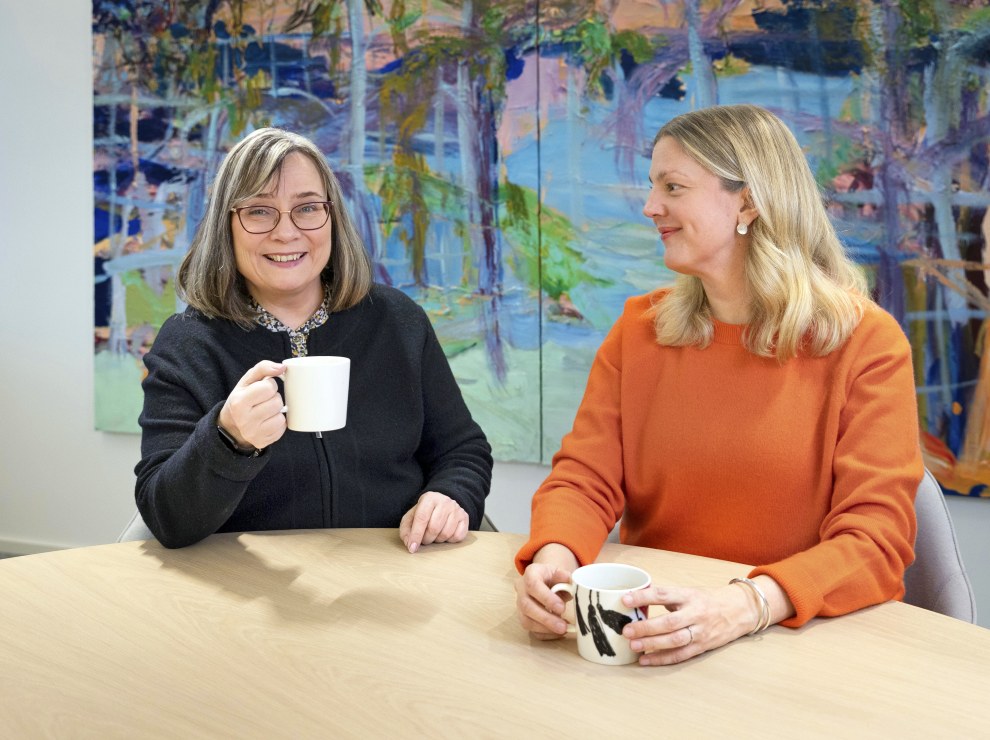
Be mindful with AI. TEK’s career coaches Satu Myller and Maisa Holm advise to be mindful when using AI for CVs. It is a good servant, but a bad master. You can use AI to come up with ideas, and it can help you turn professional jargon into standard language, but experienced recruiters will notice if your entire CV is written by AI.
Design of the CV
- What’s most important in your CV is the subject matter, but a clear and skimmable look will help transfer the information.
- In a good CV, the text can be distinguished from the background and is easy to read, the font is readable and the content is presented, arranged and sorted in a purposeful and clear manner.
- Place matters crucial to the task you are applying for in a visible place.
- Particularly if visual skills are needed in the task, invest in the look of your CV.
Tips: Minni Hurme
TEK member, check out these independent online trainings
Recognise and communicate your skills
Read more on TEK's website
- CV examples especially for students, in English at www.tek.fi/toolkit and in Finnish and Swedish at www.tek.fi/tyokalupakki
- CV tips and instructions