
November in Finland means darkness, gloom, preparation for the colder months and, in the far north, the long polar night. Hindus, however, might have the antidote: Diwali, the festival of light that brings colour and illumination at the time of year when people need it most.
But what can you do if you work in Finland and want to take time off work to celebrate Diwali, or some other holiday that is not an official bank holiday?
There are various options, including using ordinary holiday options available for any purposes — and the possibility to swap bank holiday days if your employer negotiates a 'local agreement' under collective bargaining provisions.
Of course some workers have much more influence on their working hours than others. For those with set working hours, shift requests are one way to secure days off for celebrations like Diwali, and you can always try to book annual leave from the usual allocation.

Shefali Arora (pictured), who works at Wärtsilä, takes annual leave every year to prepare for Diwali festivities.
“For Diwali, I normally plan the day in advance with my manager and use my flexible leave or flexible working arrangements. The important thing for me is having enough flexibility to celebrate a day that is culturally important to me,” says Arora, who helps organise Diwali events for thousands of people through her role chairing the Suomi-Intia Seura.
So what can you do if you’d like to work on Christmas Day, say, and take a compensatory day off for Eid?
Ferroman Engineering in Espoo has made that option possible for anyone that wants to take it via a ‘local agreement’ within the collective agreement covering their sector.
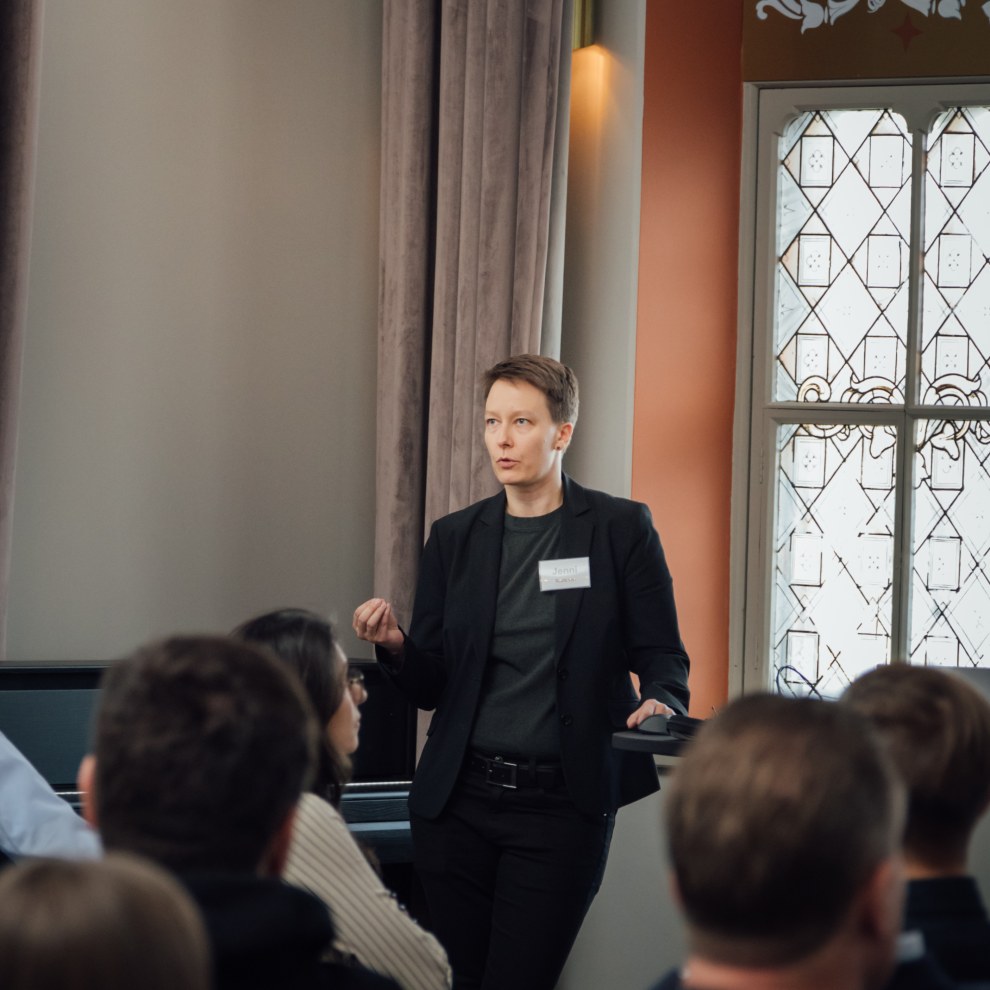
Jenni Rautanen, the shop steward at Ferroman, says it seemed like an easy win-win for the company and a multicultural workforce that often seeks to take time off through the year.
Respecting time off
The company had seen requests for time off increase around certain festivals, like Eid, and Rautanen thought there could be a way to make this easier.
“You can make sure that when your most important holiday of the year is coming, you know that the company respects your time off then, and you know that you can plan for festivities around that time,” says Rautanen (in the picture).
As a small company it was relatively easy to formalise the system and make sure people could take advantage if they chose to by negotiating a local agreement within the collective agreement covering the tech sector.
The arrangement allows Ferroman to ensure continuity of operations and lets employees prioritise the festivals that are important to them.
The official bank holidays in 2027 are 1 January (New Year’s Day), 6 January (Epiphany), 26 March (Good Friday), 29 March (Easter Monday), 1 May (May Day), 6 May (Ascension Day), 25 June (Midsummer’s Eve), 6 December (Independence Day), 24 December (Christmas Eve), 25 December (Christmas Day) and 26 December (Boxing Day).
Independence Day sacrosanct
By law, the only holiday that cannot be swapped out for a different date is Independence Day. At Ferroman, the switch happens through flex time arrangements, requiring little effort from the company.
“Basically checking in with the supervisor is the thing, to ensure that not everybody is on vacation those days or that something needs to be planned in case one person is working alone,” says Rautanen.
Other sectors in Finland are also changing holiday practices to match modern working life . In the property services sector, PAM has agreed new rules set to come into force from the start of 2027 that are aimed at ensuring everyone gets equal compensatory days off if they work official holidays.
The new rules mean days off in lieu are accrued according to how many hours are worked over the year, correcting an imbalance that had particularly affected part-time staff.
If you’d like to look into swapping bank holiday days, ask your union representative if it might be possible where you work.